reflections on the fourth trimester

Us20.jpg

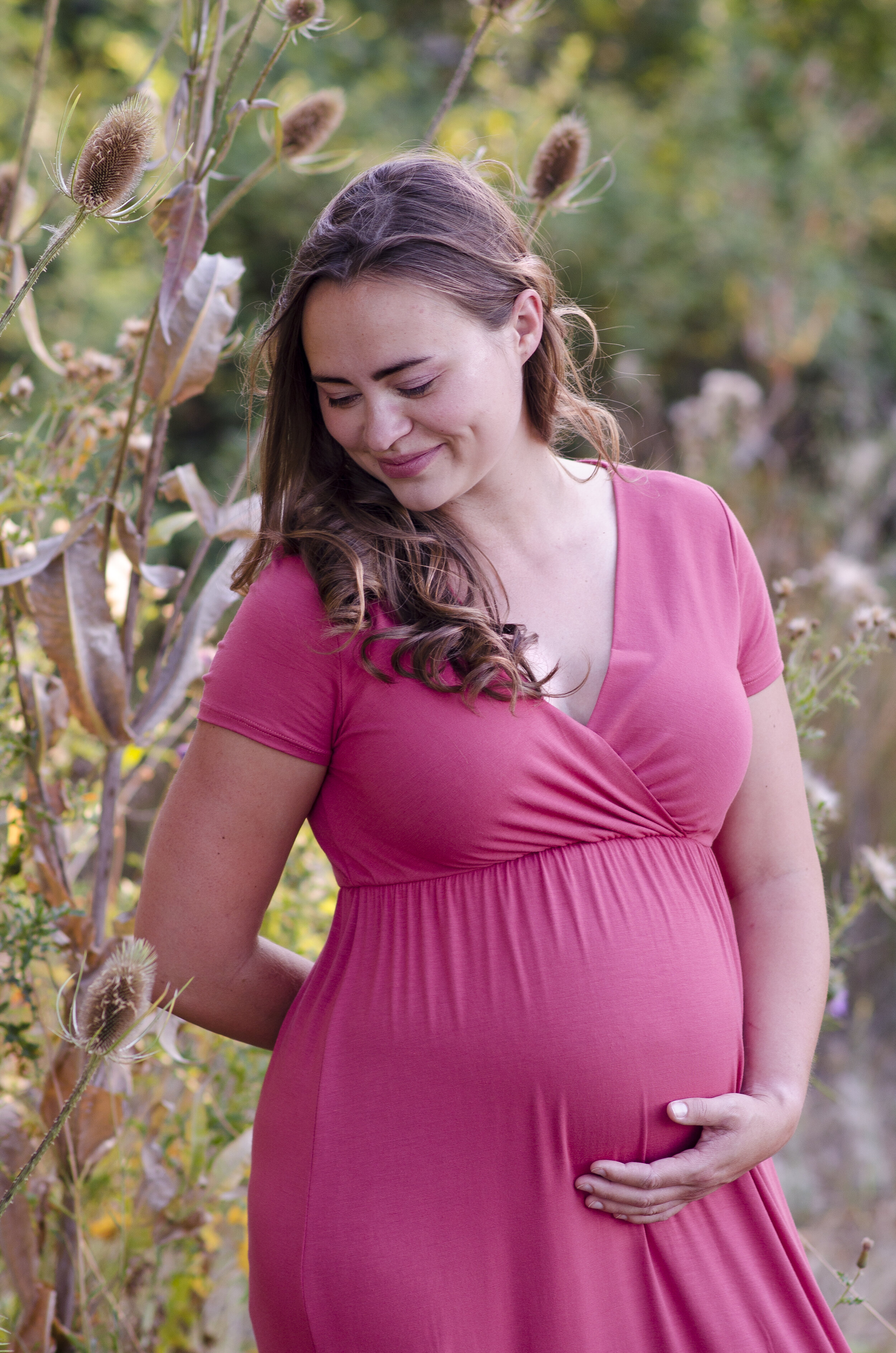
Clara was born two days after I wrote my last post here—11 weeks ago today. We have one week left of what some people call the “fourth trimester,” when she is separate from my body and yet still constantly attached, when she isn’t getting everything she needs via 24/7 physical connection and yet still kind of is. I don’t expect a switch to flip at the end of the 12th week, but it’s still a little momentous to me that we’re nearly there.

I knew it would be hard. I didn’t know it would be impossible for as long as it was.

I didn’t know I’d spend the first week in a haze of euphoria mixed with pain, or that weeks two and three would feel like existing in a black cloud of despair. I didn’t know I could get so angry at someone so innocent or so worried about someone so small. While other new moms in my Facebook due date group talked about “love at first sight” and “hearts so full,” I felt empty and terrified, like a shell of myself trying to find my way through a labyrinth at midnight all alone, with a tiny dependent creature to keep alive at the same time. I remember thinking so many times, and still do some days, that all I wanted was to go to work—back to a familiar place, simple tasks, clear objectives, and a community of friends.

I know it’s all the rage these days to talk “authentically” about what things like motherhood are “really” like. But I find there’s a sheen of polish on most of those discussions, too, and I think that’s why—even though I was fully prepared for it to be tough and thankless to care for a newborn all day—I was not prepared to do six solid weeks of it with hardly a glimmer of joy. That’s the unpolished truth.

Then she smiled at me intentionally for the first time and what had been impossible finally became just hard. And I can do hard.

Maybe it’s different for the moms who are in love at first sight. Maybe their babies didn’t have an intolerance to dairy that caused them constant pain, or maybe their babies don’t have high palates, preventing them from feeding effectively. Maybe they didn’t go three weeks without sleeping two hours together (because you can only “sleep when the baby sleeps” if the baby actually sleeps). Or maybe they are simply healthier people, holier people, better at doing the impossible.

It’s deeply humbling to see this cavernous lack inside myself. First John 4:19 comes to mind: “We love because He first loved us.” He did the impossible. He sacrificed everything without a glimmer of joy in return, and He did it without succumbing to the exhaustion, the rage, the fear, the desperation. Even if I had never smiled back at Him, He’d have done it all the same.

I wish I had naturally been that mom. As much as I loved her, I wasn’t. As much as I love her today, I’m still not. But I hope I’m getting closer.
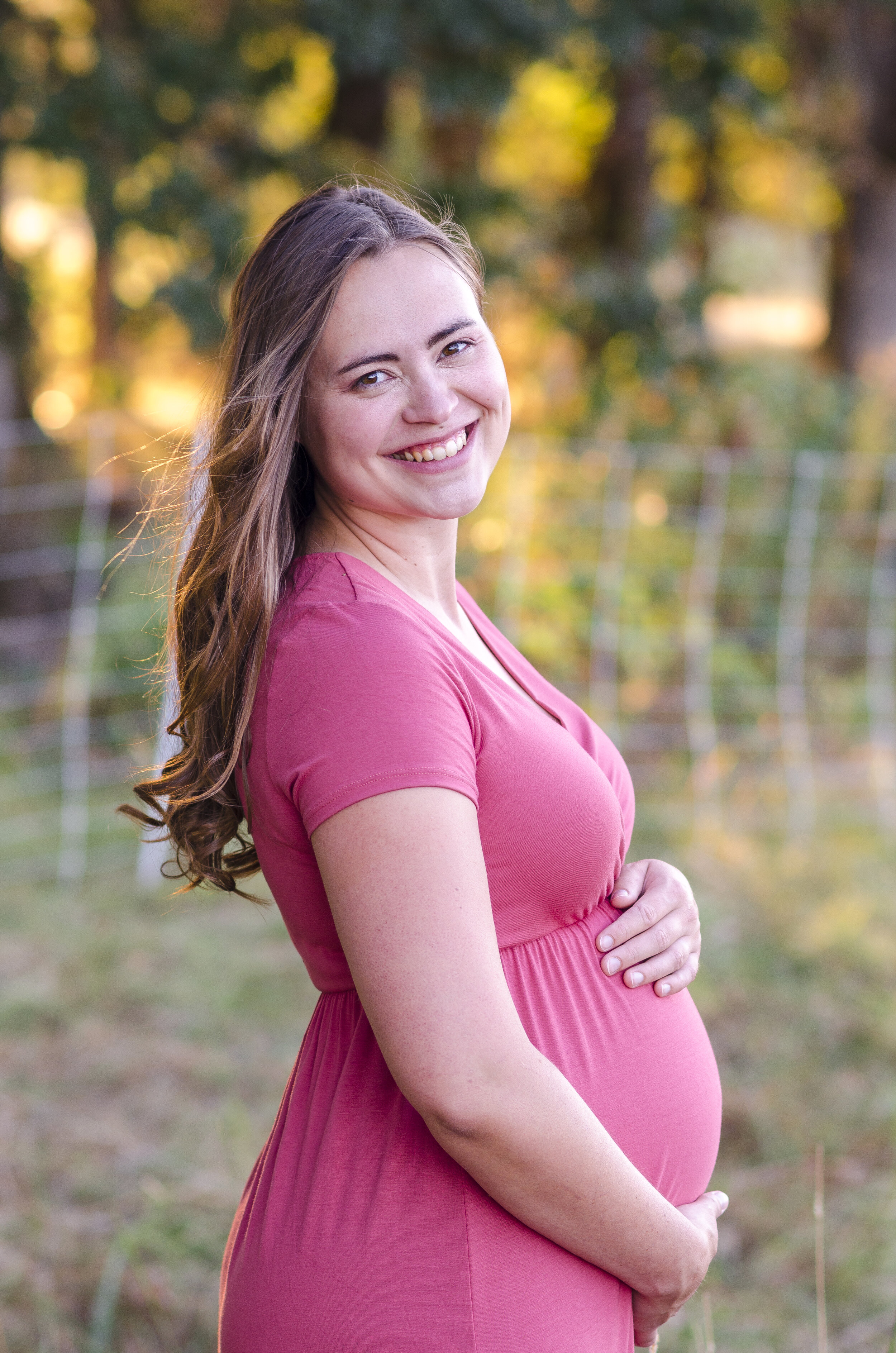
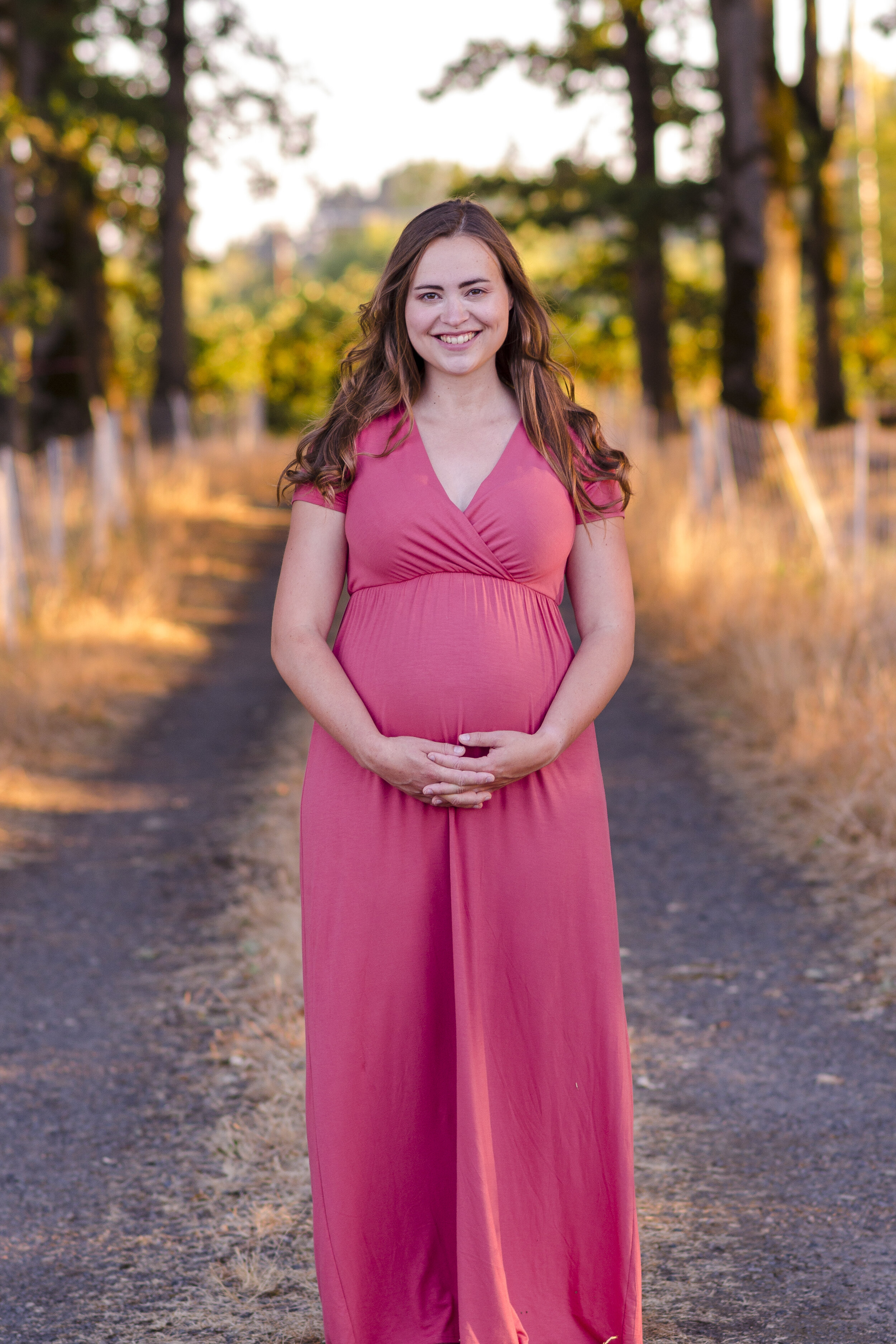
it's september

I remember sitting in the doctor’s office in mid-January thinking how far, far away September felt. Half of a very long winter, an entirely unprecedented spring, and most of an exhausting summer lay ahead before I’d meet the baby I had only just learned existed.

Most years, I get to September and wonder where the time has gone. And I still definitely have a sense of “We’re already here?”—but it’s dwarfed a bit by the overwhelming feeling that I’m still powering through the last hundred yards of a marathon. And not just because I’m enormously pregnant. I think 2020 has felt that way for a lot of us, and maybe it’ll be awhile before we catch our breaths.

I have heard from many parents who have gone before me that new babies slow life down, in a way. Things take longer to accomplish. There’s a lot of sitting, feeding, watching. A lot of repetition and routine. I didn’t used to like the sound of that, but after this year of chaos and uncertainty and busyness, I think I’m ready for slow.

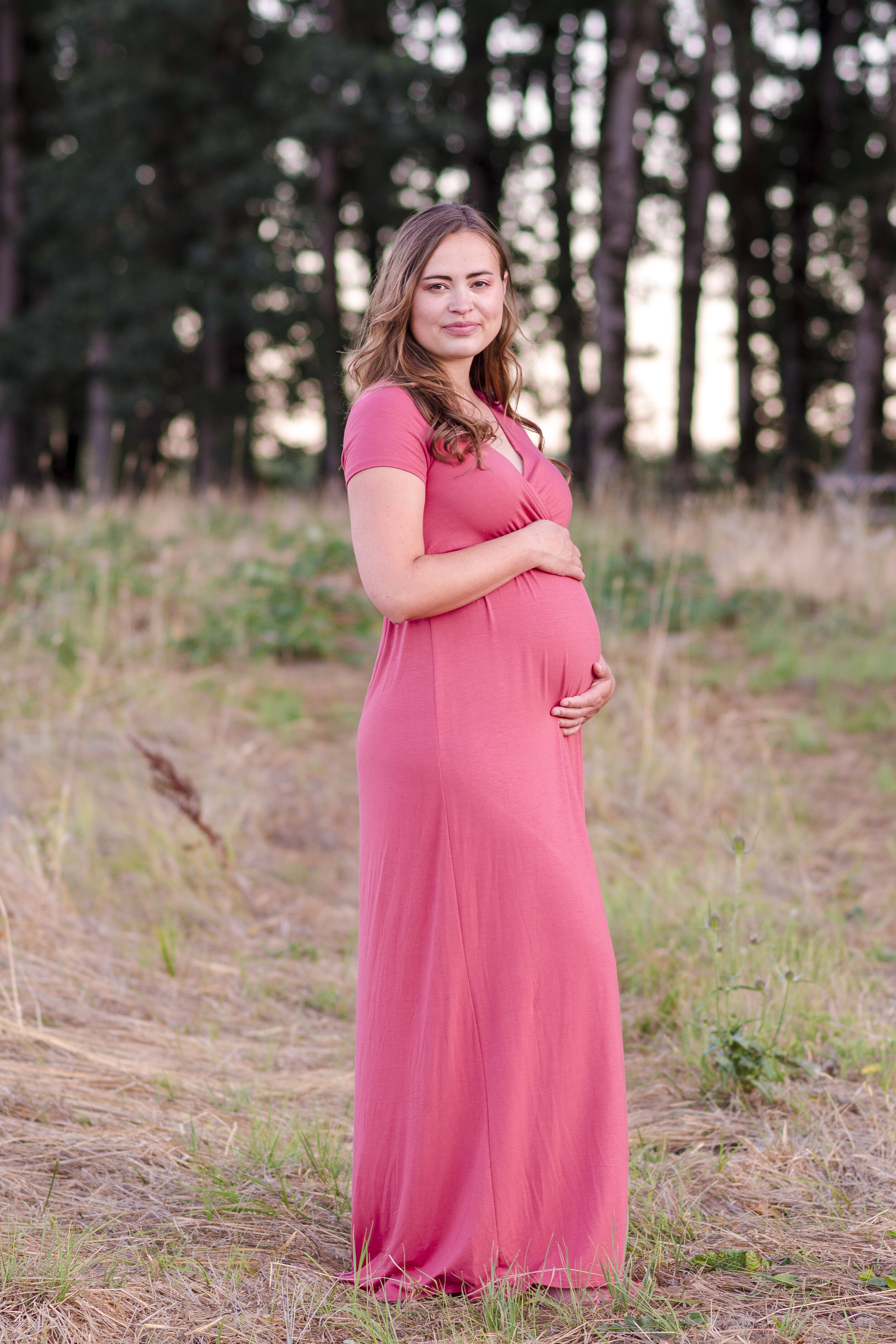
Tomorrow is one week away from our due date. Everything is about to change. I tend to hate change, because it usually feels like a tornado ripping through the middle of life—but there have so many such storms in the last few years that I think, or I hope, I’m getting to be a little more resilient. (And with any luck, my cats are, too…)

on church, faithfulness, and 2020

House20.jpg

I wanted to write some sort of mid-year reflection post at the end of June, but with all that has happened in 2020 I had trouble knowing where to start. I’ve been pregnant for all of 2020 so far (and then some), for example; I lost my mother-in-law to cancer when the New Year was just 12 days old. This, on top of the chaos and crisis worldwide and nationally and individually and personally that none of us is quite unaffected by. So here we are in August, and I’m still gathering my thoughts.

I would describe this year so far as one long, existential earthquake. Life is being shaken up, and even as I brace for more aftershocks, I’m looking around to see what’s still standing, what’s crumbled, and what has fallen into place in a new way. Some of the things that have been broken or altered must be grieved, but maybe others had been outstaying their welcome, and it’s high time we celebrate letting them go? Maybe somewhere in the rubble we’ll find the perfect space to build something new?

Flowers.jpg

I think this conversation is happening everywhere in some capacity, but my real prayer is that it will happen in the Church, and in the individuals who make up the Church. I’m praying that one of the goodbyes of this era will be the dismantling of some of the worn-in traditions of how we “do church” so that space can be made for us to BE the Church.

I’m convicted by the fact that so much of what we’ve preserved of church through the pandemic has been the least important parts, while what really matters has been lost. Some of that is merely the nature of social distancing, but some of it is also laziness, consumerism, and poor priorities. I speak for myself as much as anyone: when it became possible to tick the “go to church” box by merely opening a Facebook tab, without even the accountability of looking into someone’s face and saying hello, that’s all I did—and sometimes, not even that.

COVID-19 has starkly revealed that in the United States of America at least, our deficiency is not access. It’s abiding in Jesus. Even before there was a virus to require it, we could “go to church” remotely anywhere we wanted; we could choose any preacher or message we wanted; we could even round it out with our personal favorite style of worship music. But we have little understanding of how to love one another, meet each other’s needs, commit our time to prayer or fasting or feasting together, confess our sins to one another, reprove and forgive and reconcile with each other, serve the community together, have difficult conversations that matter, or teach one another the Word. And showing up for an hour and a half on Sundays to sing and hear a sermon isn’t teaching us any of it.

Flowers9.jpg

We have scrambled to hold onto the man-made structure of church, but it’s the real stuff of following Jesus that gets lost along the way.

What better time than our current upside-down reality to take stock of what is really important and to let go of what isn’t?

Jesus didn’t teach church. He taught abiding. He taught obedience. He taught love.

He didn’t ask us to prove our dedication by showing up and checking the box once a week—He asked us to follow His example and lay down our lives, every single day.

Flowers10.jpg

If that sounds as overwhelming for you as it does for me, take heart: We are not called to lay down our lives for everyone in the world, or even everyone in our church. Jesus already did that (hallelujah!). Our call, instead, is to lay our lives at His feet, and allow Him to use them in the specific places and for the specific people He has given to us. When He Himself was finite and human, limited by the same time and energy that limits us, He didn’t do everything for everyone—rather, He faithfully led and served the twelve disciples that God gave Him (John 17:6). He showed love and compassion for multitudes of others along His way, but always He prioritized and protected His call to the twelve.

Likewise, most of us are called to something far smaller and humbler than we often expect, like the handful of souls that make up our own families, not the hundreds who make up our church or the thousands who make up our city or the millions who make up our nation.

But faithfulness in even these very little things can explode into worldwide impact. We have countless Scriptural examples of rich harvest coming from a few small seeds—and the twelve disciples of Jesus, with you and I here 2,000 years later as their disciple-descendants, are just one of them.