the 40 days of uncreation
/We begin the Lenten fast with ashes on our foreheads in the shape of the cross, and the priest saying to each of us in turn, “Remember that you are dust, and to dust you shall return.”
The reminder comes directly from Genesis 3 and the consequences of the first humans’ sin:
By the sweat of your face
You shall eat bread,
Until you return to the ground,
Because from it you were taken;
For you are dust,
And to dust you shall return.Genesis 3:19
God composed the human body out of dust, and because of his sin, the human’s end is a decomposition—an uncreation—back into dust.
Uncreation is also where we find the first instance of forty days in Scripture:
Then the LORD said to Noah, “Enter the ark, you and all your household, for you alone I have seen to be righteous before Me in this generation. . . . For after seven more days, I will send rain on the earth for forty days and forty nights; and I will wipe out from the face of the land every living thing that I have made.”
Genesis 7:1, 4
Before there was the world, the world was water—and to water it once returned. Over the waters of chaos in Genesis 1, the Spirit of God breathed and said “Let there be light.” But when the lighted world began to drown under the darkness of human evil, God called the chaos-waters down from the heavens and up from the deep to undo Creation and to reclaim His Spirit-breath from every living creature on whom it had been bestowed.
Save a few.
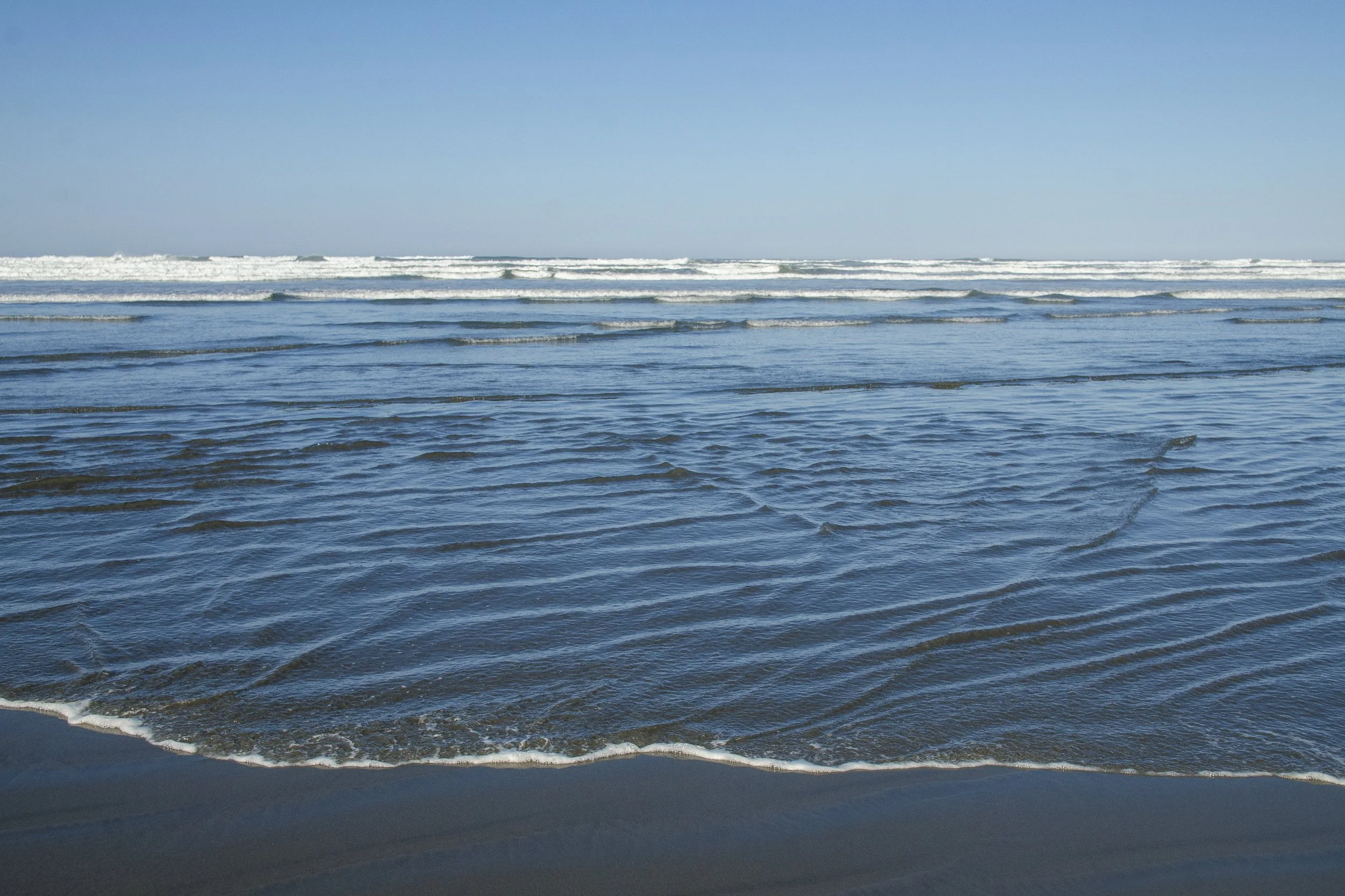
These few—Noah and his family, and the pairs of animals by kinds—are the anticipation of New Creation amid the despair of uncreation. They are the hope of life that flickers still throughout our 40 days to memento mori. The ark that comes to rest on the mountains of Ararat, passing safely through the waters of death as a vessel of life, becomes our symbol of God’s mercy and faithfulness—that even as we examine ourselves over these 40 days of Lent, finding sin and failure and unworthiness too deep to measure, we remember the cleansing waters and hold fast to His guarantee that we have passed through death into life.
We are dust, and we are New Creation people. Decomposition is not our final destiny.
As written by St. Peter,
In the ark a few people, only eight souls, were saved through water. And this water symbolizes the baptism that now saves you also—not the removal of dirt from the body, but the pledge of a clear conscience toward God—through the resurrection of Jesus Christ, who has gone into heaven and is at the right hand of God, with angels, authorities, and powers subject to Him.
1 Peter 3:20b-22