

bedrock

Two years ago I began to write, at long last, the book that had been waiting patiently inside my head since Bible school. Forty-five thousand words, dozens of rewrites, two cover designs, and three different formats later, it is finally complete.

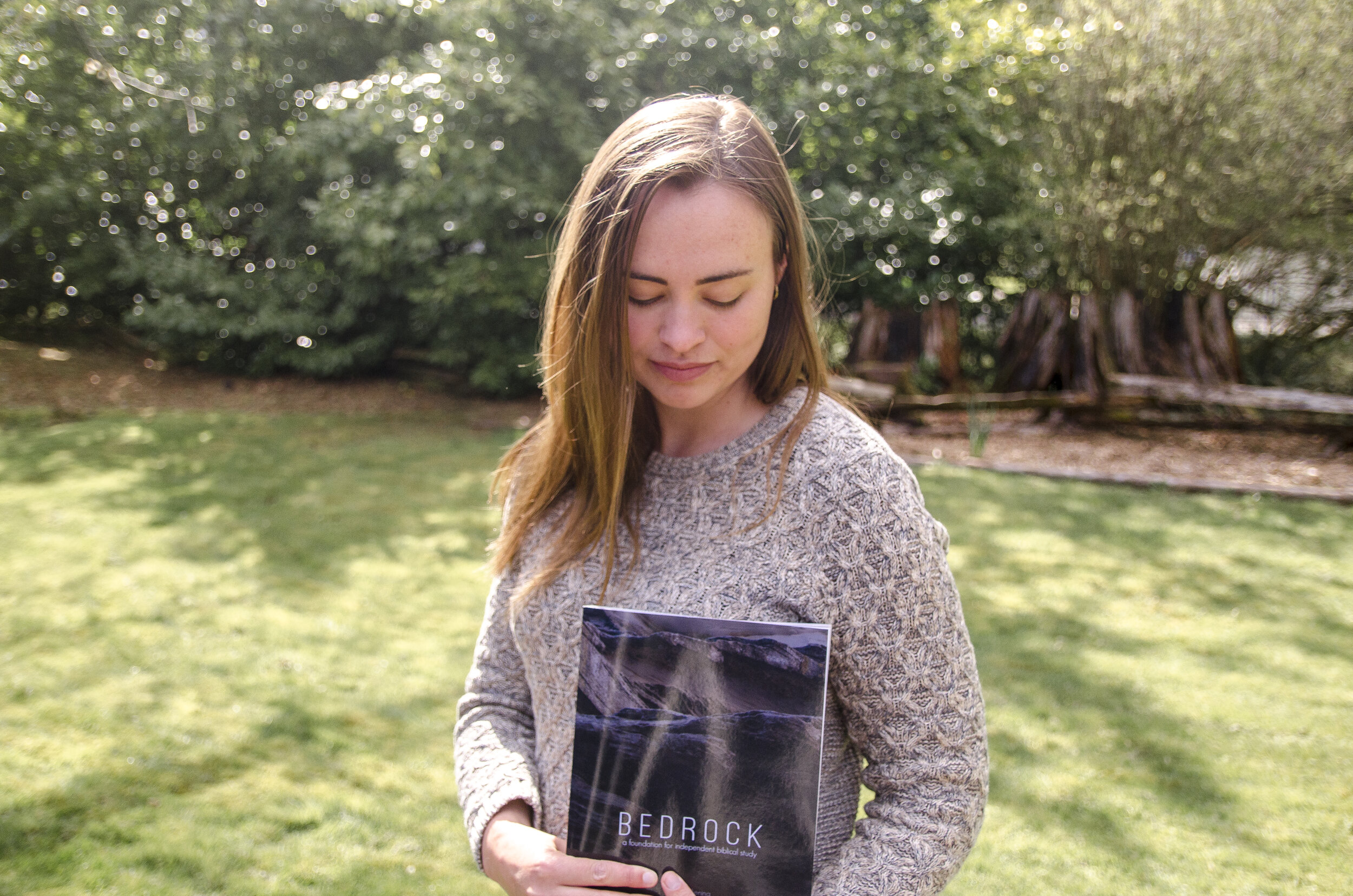
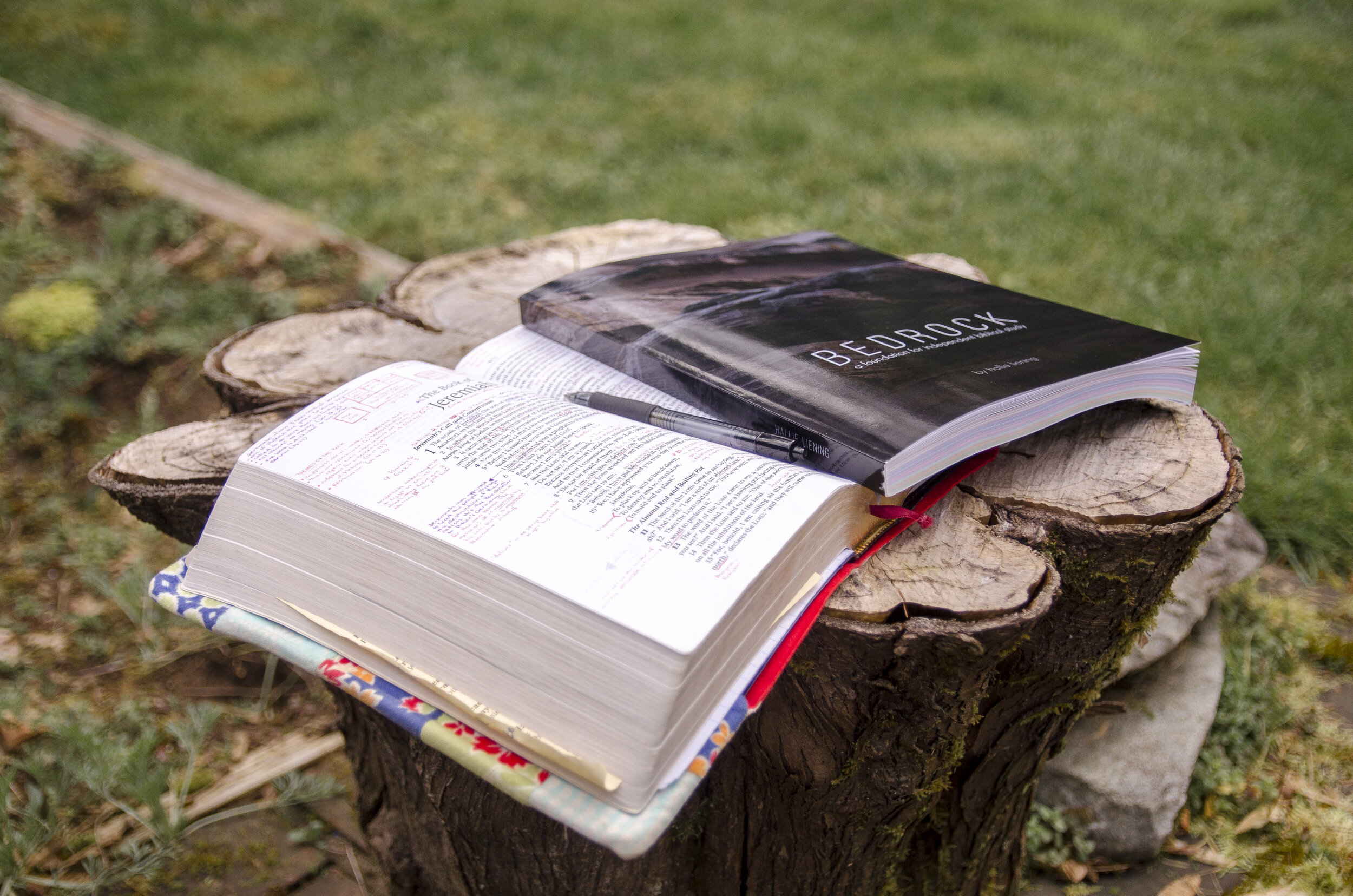
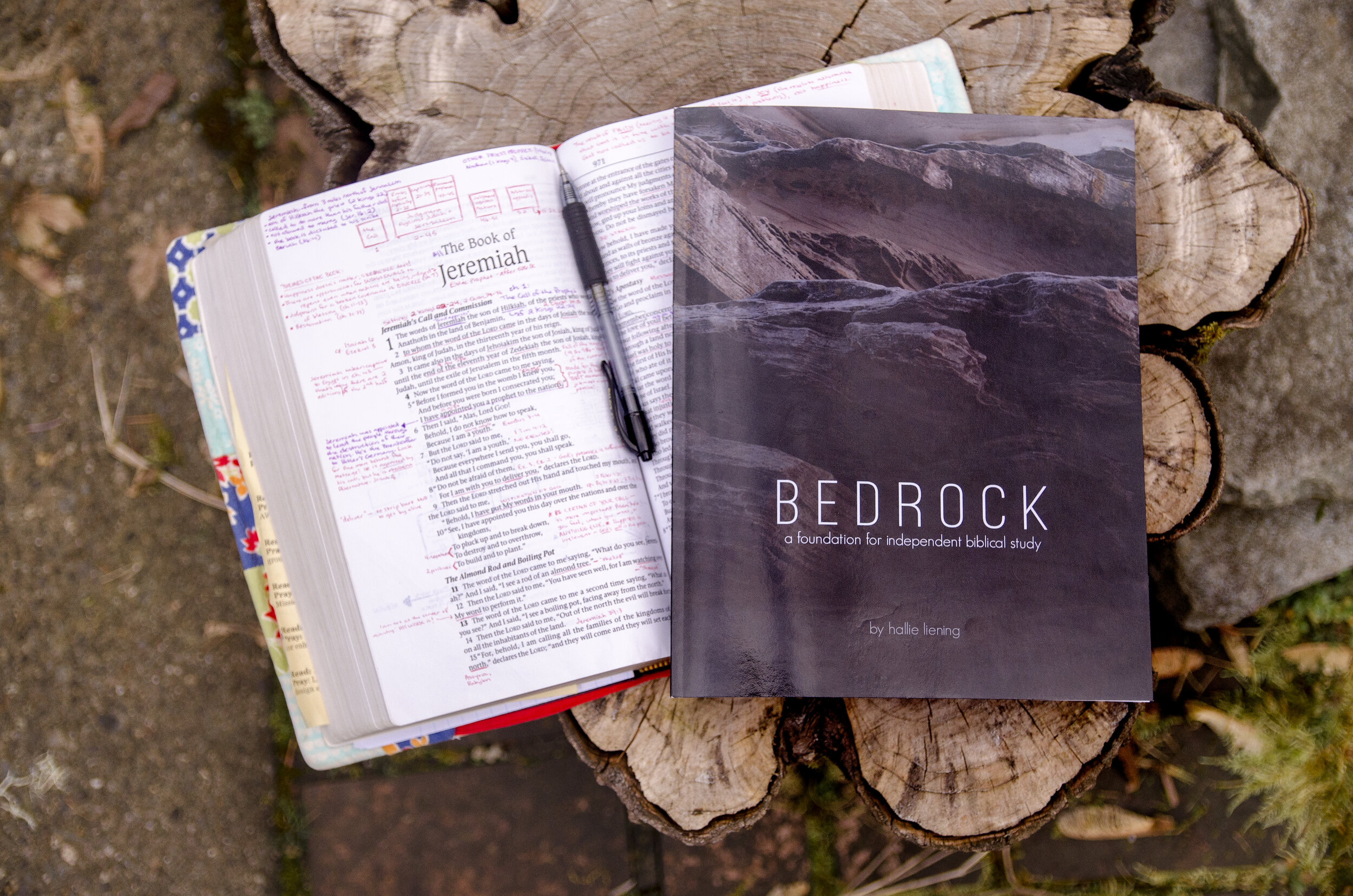
Bedrock: A Foundation for Independent Biblical Study is now available on Amazon.

What is it? It’s a textbook and a workbook wrapped into one. It’s a journey through each of the seven types of Biblical literature using both concrete steps and Spirit-led study. It’s dense with practical instruction, but brightened with color and peppered with activities. It is a book for those who want to unearth the bedrock truth of who God is, because who God is changes everything about who we know ourselves to be and how we see our circumstances.

Bedrock is comprised of eight modules:

  • Module One: What is the Bible?

  • Module Two: The Study of Narrative

  • Module Three: The Study of Law

  • Module Four: The Study of Wisdom

  • Module Five: The Study of Poetry

  • Module Six: The Study of Lament

  • Module Seven: The Study of Prophecy

  • Module Eight: The Study of Epistle

The first module is designed to address some of the common preconceptions and blind spots of a would-be Bible student living in the postmodern Western world. From there, each of the seven remaining modules acts as a guide through a particular passage, with the goal of teaching a replicable study process that can be taken to any other passage of Scripture within that genre. In Module Two, for example, the student will thoroughly understand and break down the story of Gideon in Judges 6-8, but the same steps can be used to explore any other passage of narrative literature.

I wrote this book to be a little bit like Bible school for those who have never been to Bible school. To help you, no matter who you are or how much background you have with Scripture, independently discover and understand the timeless truths of the Bible as the Word of God. Bedrock is an opportunity to step back from the theological minutiae and academic semantics that can so easily distract us from truly knowing God’s heart and instead, take in the whole, sweeping vista of the Bible as a panoramic view of who God is and what He has done across human history.

This book is not an exhaustive work on the topic of the Bible or its interpretation—it’s just one of many resources that exist to help you understand what the Bible is and how to approach it for personal study. It is not a technical or academic book: In fact, it was purposely written to be the opposite, and to welcome believers of all backgrounds into a deeper knowledge of God’s Word. None of the terms or definitions in this book should be taken as scholarly or absolute; they are simply the best way I know how to use the everyday English language to communicate the vital concepts of independent Biblical study.

All that being said, it is a hefty course of study. It is thorough and detailed and will reward those who can give it the time and thought it demands. The beauty of it is that you can take it at whatever pace you wish; you can do it on your own or in a group; you can supplement it with other resources or just use it on its own.

Ultimately, I wrote this book because God put it on my heart, and because I believe He has a vision for how it can be used to help His people know Him more. If you’d like to see it for yourself, click here.
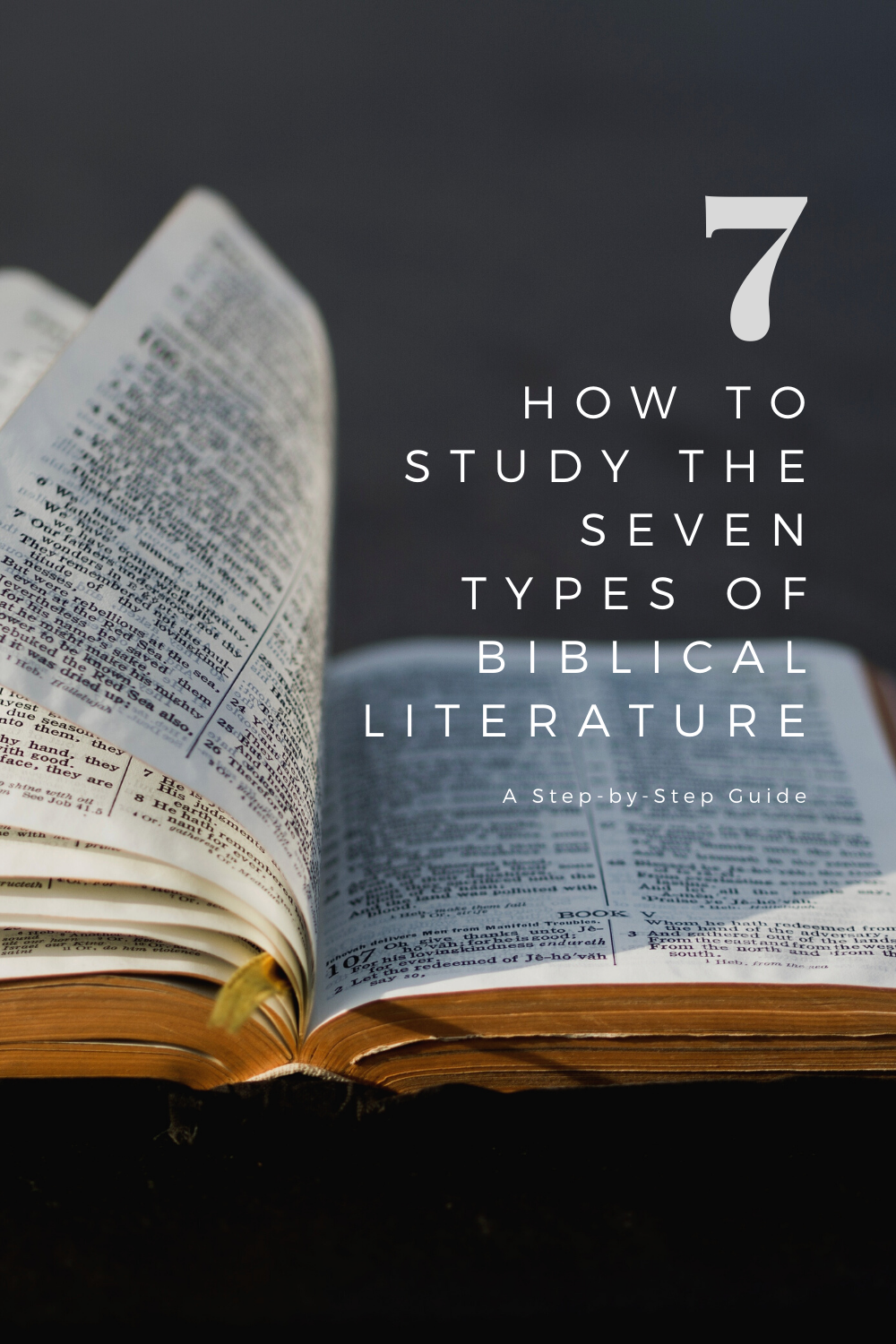
How to study the seven types of Biblical literature: A complete step by step guide

these are the days: march

I have three or four half-written blog posts drafted in the queue, but nothing I have to say seems meaningful enough to add to the media din that has only grown louder as the world draws itself inward. Thoughts on what it actually means to be the Church in a time when we can no longer substitute “going to church,” thoughts on how all I want is to write honestly but I hesitate to do so now that honesty feels like a currency, thoughts on whether or not there is a place for someone like me (by that, I mean a female Bible scholar who has been called to teach people how to study the Bible) in the Church at all… they’re all in there, waiting to be given voice lest they make my brain explode, but for whatever reason it doesn’t feel safe out here for them yet.

So these are the days of jotting down just enough notes to keep the lid on while I wait for the day that I’m brave enough to pour out. I remind myself that this website is mine to invite others into, and they may accept or decline as they see fit. I remind myself that I’m not being asked to write the inerrant Word of God, so I don’t have to say everything just right, or even be completely right—the grace I feel burdened to show others is abundant enough to cover me, too. I remind myself that there must be other people out there who are tired of hearing the same old Christianese teaching the same tired platitudes, and that I can’t possibly be the only one craving something a little more honest, more Biblical, less pristine. I can’t possibly be the only one with complicated or uncomfortable questions to ask—and I remember that Jesus Himself showed us pretty clearly just how much the devout can benefit from a healthy dose of discomfort.

For now, these are still days of quiet—quieter than I ever envisioned when I wrote my last post. The only thing breaking up my days and weeks is my work schedule, the only thing that holds a semblance of normal. Even that is abbreviated and interrupted by a week of being sick at home, feeling more than usual the pressure to keep my germs to myself, letting Bible180 be my church service and Zephaniah be my preacher and a simple “Let’s all agree to pray together in spirit at 2pm today” be my community.

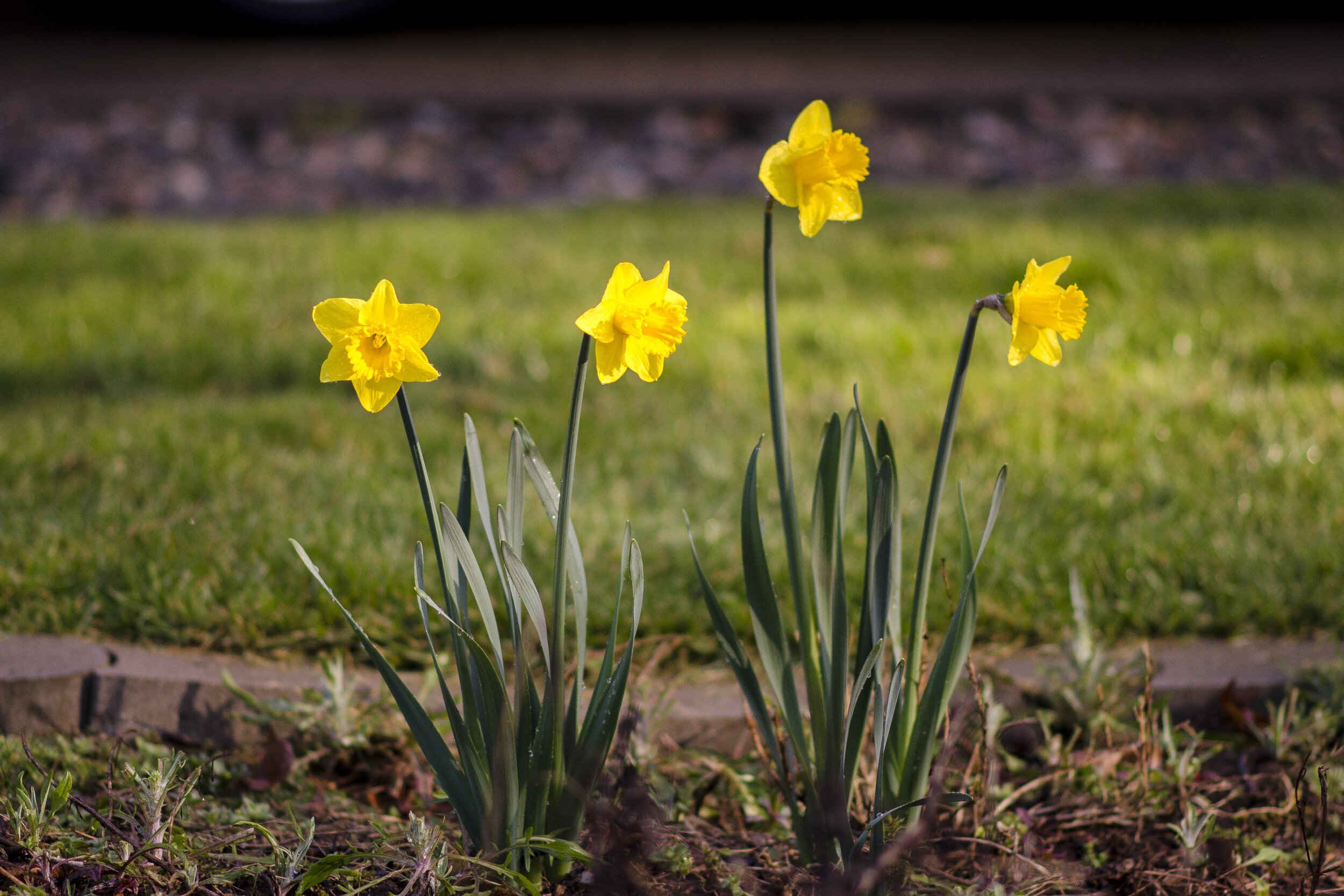
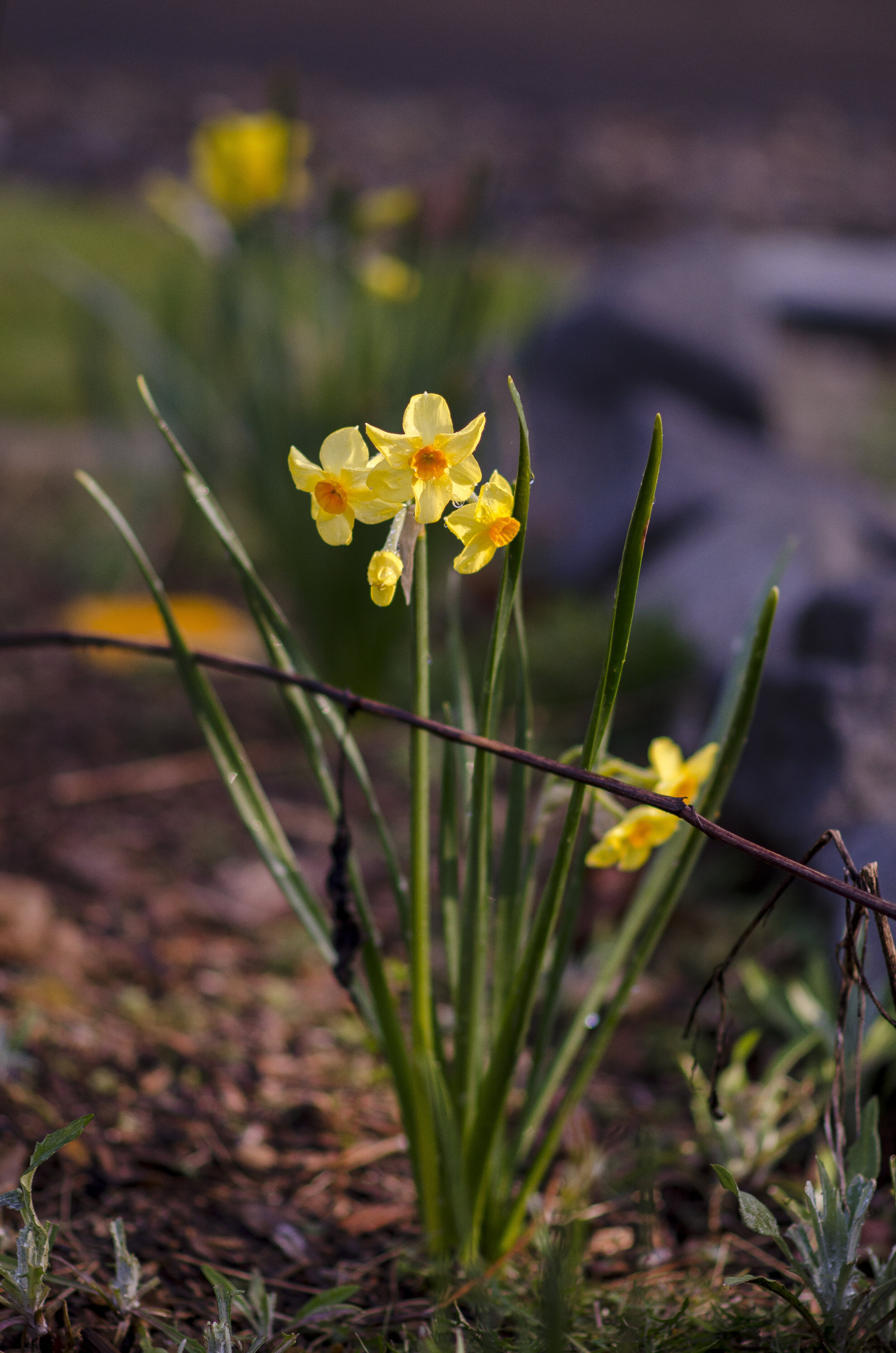
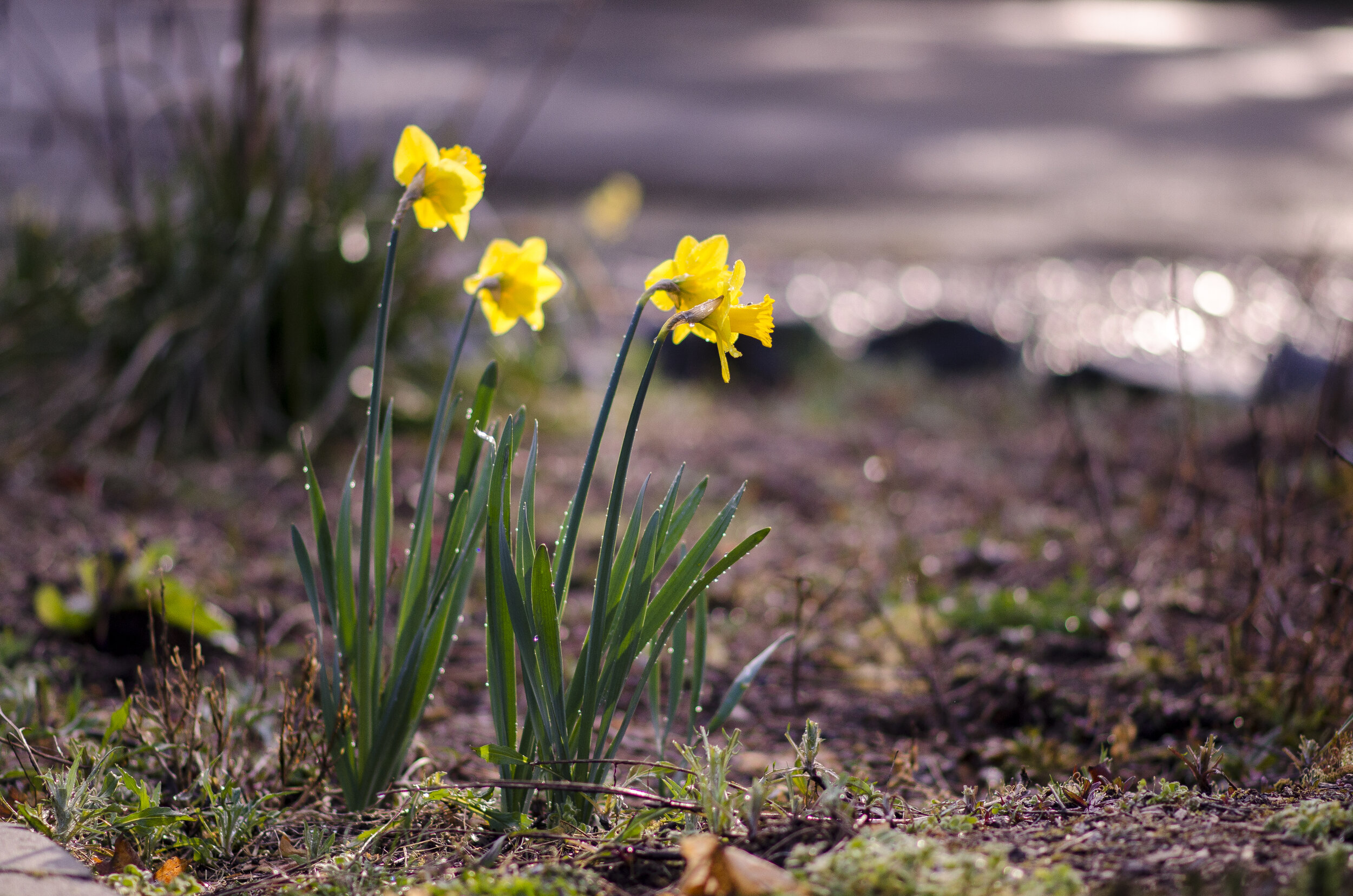
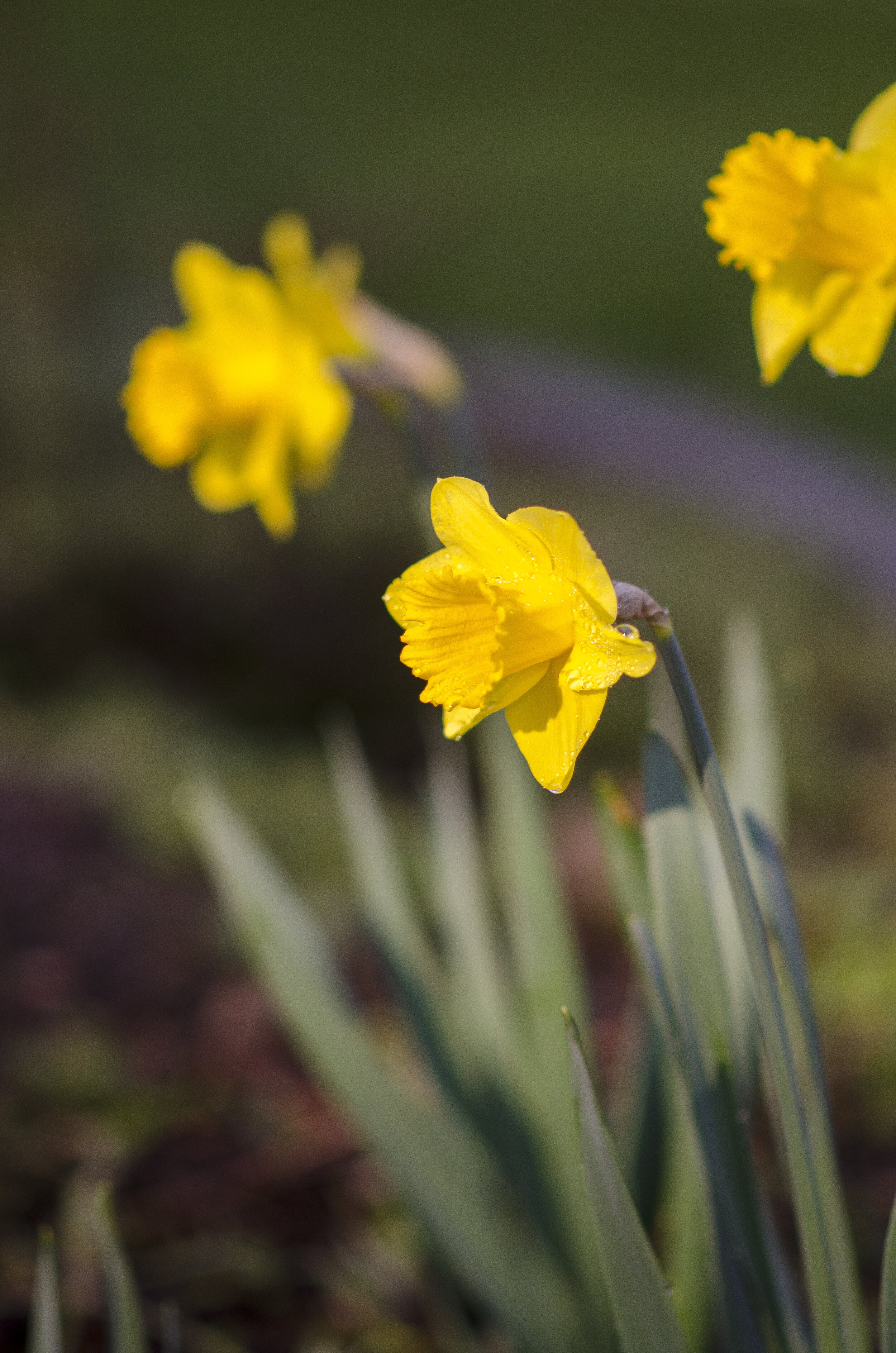
Some of the daffodils have bloomed. I cut the last of the hyacinths for one more bouquet. Between rain showers I take quick walks through the garden to see what else is coming alive to prove that time really isn’t at a standstill, and that God really isn’t checked out of this mess. It is spring, and He is here.

Suggested Thinking

  • Matthew 23

  • Zephaniah

these are the days: february


These are the days of sunlight, at last, streaming through the windows in the morning—after eighty days, some estimated, without the sun showing its face here. Until you’ve lived through eighty days without the sun I don’t think you can fathom how suffocating and dire the world becomes, nor how life-giving and joyful the privilege of sun on skin really is. The first week of February, when it finally came out from behind the gray blanket of clouds, I wanted to cry from pure relief, and I haven’t taken a minute of it for granted since. There is nothing so important that it can’t wait for a few hours while I sit outside in the sun.

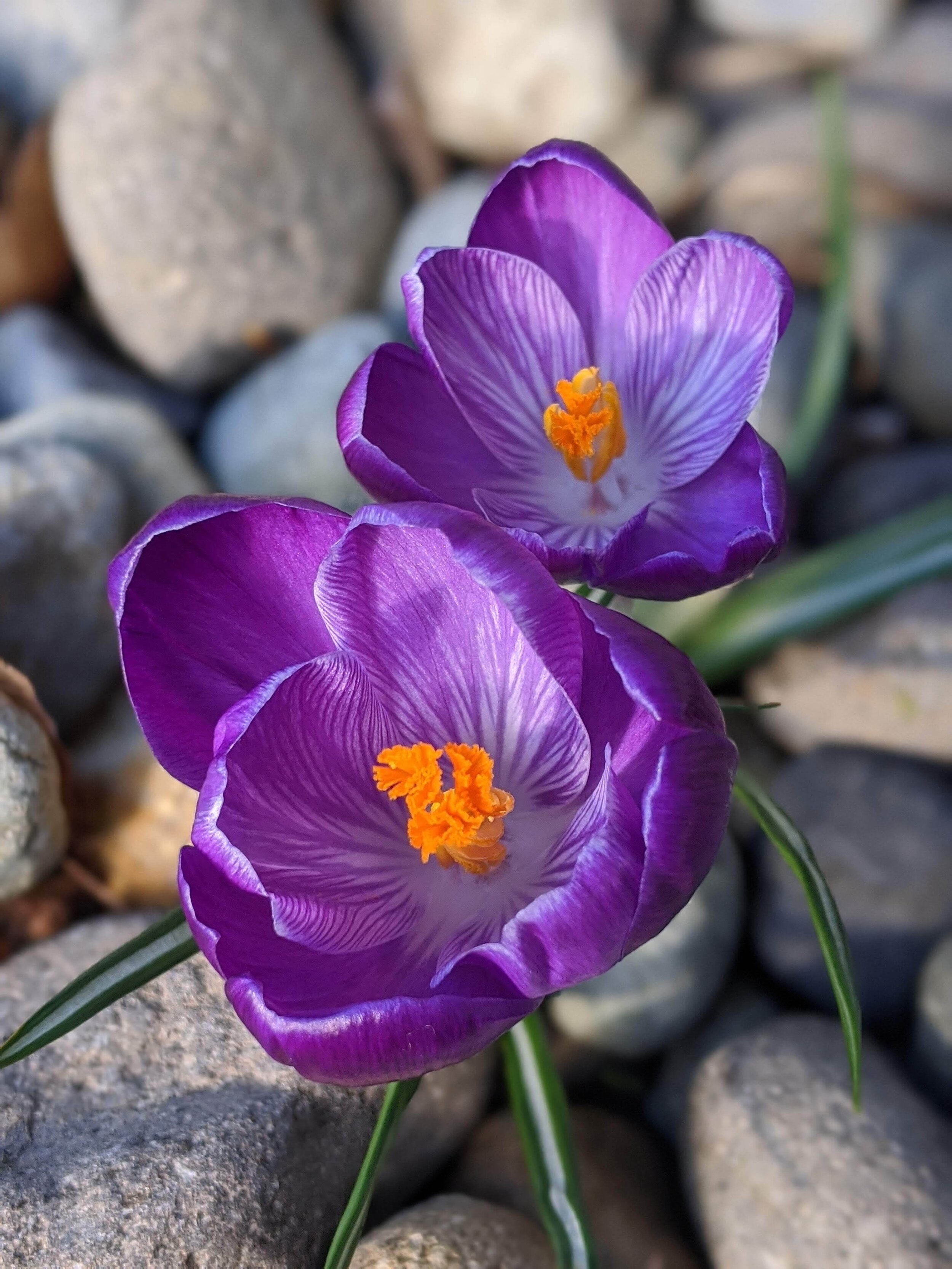
These are the days of waiting eagerly for more flowers to pop up—my crocuses are in full swing, and the hyacinths and daffodils are close on their heels. I feel starved for every bit of color and light and joy the world can spare me and if I thought that sleeping in the garden next to my plants would make them grow faster, I’d do it. Every leaf that emerges is hope.

And especially, these are days of quiet. Even inside my mind, which is usually buzzing with new ideas or goals or processes, it is quiet—because nothing else seems reverent. I wish we still followed the old customs of mourning, in some ways, because the plunge back into life the day after a death seems not only horrifically inappropriate but exhausting beyond description. So many days I’ve wished I could respond to a call or a text or an appointment or a reminder with “Sorry—in mourning until further notice.” As much as life must stubbornly go on, it feels like something somewhere must cease, because a life that shaped my entire world is gone.

Suggested Thinking